
Hypertension
Hypertension
High Blood Pressure
What is hypertension and why is it important?
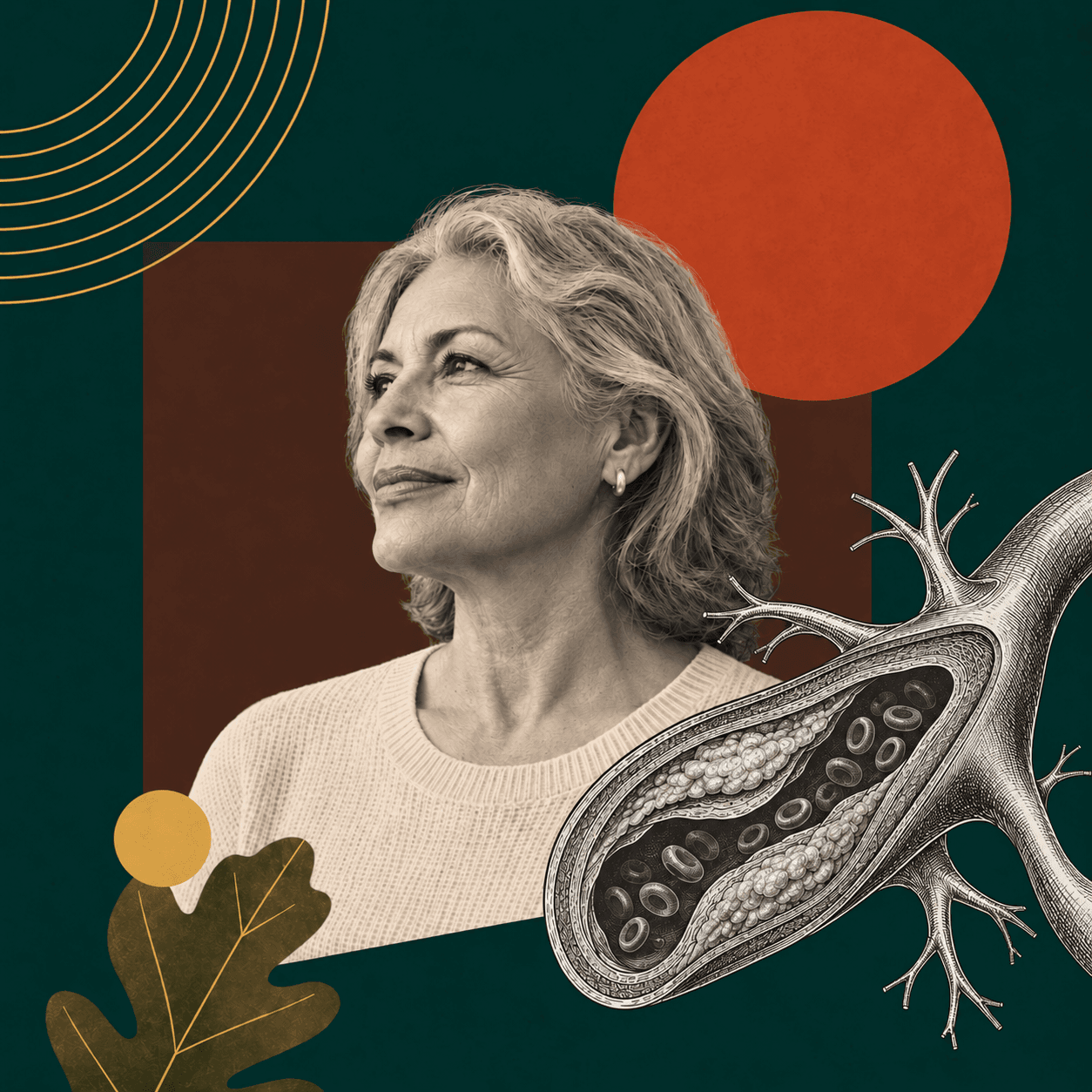
Hypertension is a condition in which the blood pressure in the arteries is higher than it should be. It causes damage to the inside of the arteries, resulting in narrowing (atherosclerosis) or bleeding (hemorrhage).
Hypertension is a major cause of heart attacks and the leading cause of strokes in women. It also contributes to the risks of kidney disease, eye disease and dementia.
Blood pressure in women often rises quickly after menopause.
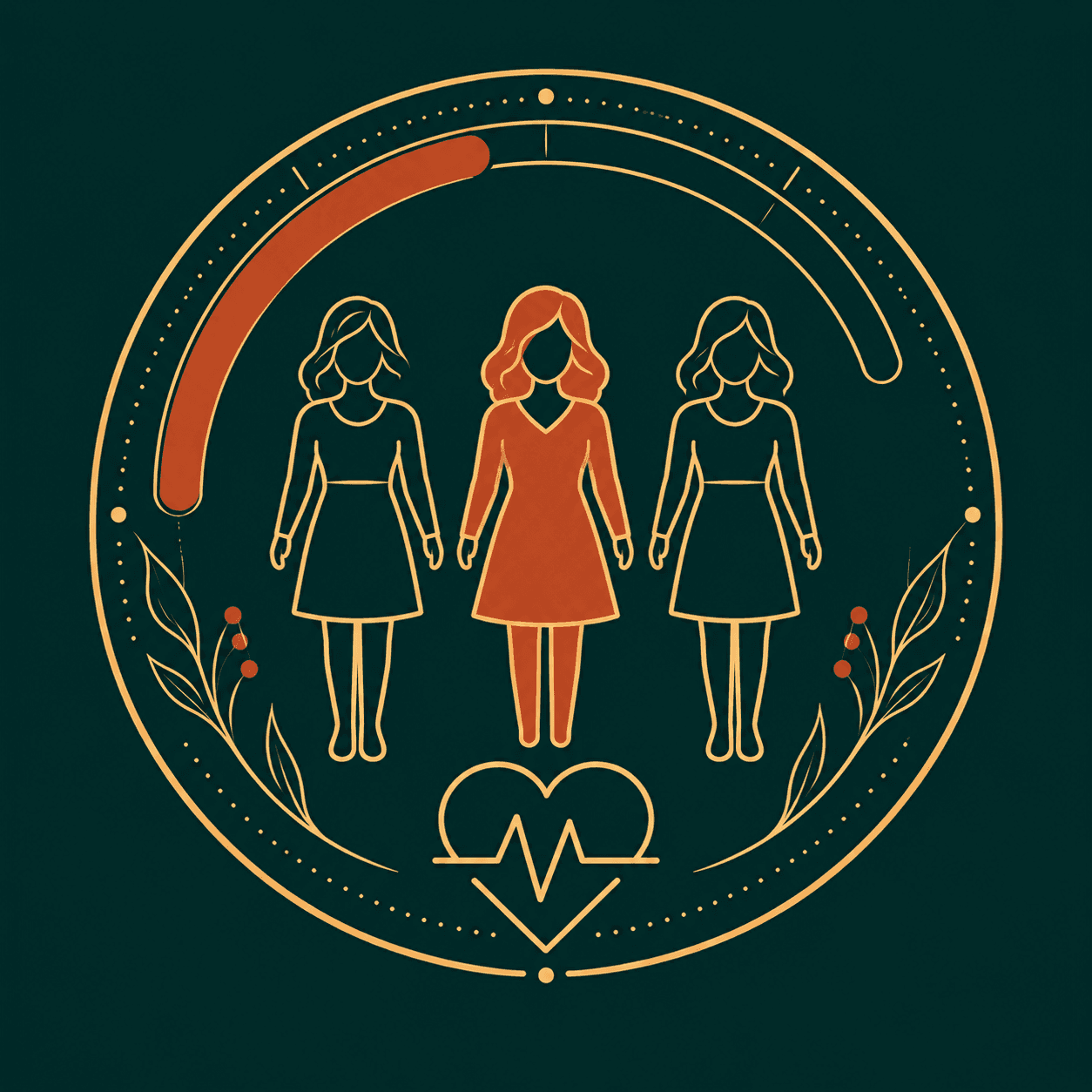
- 60% of women aged 40-59 years have hypertension
- 75% of women aged 60+ years have hypertension
More than 1/3 of women with hypertension don’t know they have it as it has no symptoms, unless the level of blood pressure is very high
How is blood pressure measured and diagnosed?
Blood pressure is measured in the artery on the inside of your elbow using a sphygmomanometer (usually an electronic blood pressure measurement device). Normally, two or three measurements are taken because blood pressure levels often fall after the first measurement.
Two pressures are measured
- The systolic (the highest pressure)
- The diastolic (the lowest pressure)
How high is too high?
The US guidelines for physicians define hypertension as:
- Stage 1: a systolic pressure of 130 - 139 millimetres of mercury (mmHg) or a diastolic pressure of 80 – 89 mmHg or more
- Stage 2: a systolic of 140mmHg or more or a diastolic of 90 mmHg or more
These definitions are not different for women and men, for younger and older women, or for different ethnicities.
If you have hypertension, you should measure your blood pressure at home several times a week.
- Regular home measurement of blood pressure has been shown to result in better blood pressure control
Understanding and Managing Hypertension
Learn about the causes of hypertension, how it might be prevented and what treatments are available
What causes hypertension?
For most women (and men), the main cause of hypertension is being overweight.
Other contributors include:
- Too much salt (mainly from table salt, fast foods and snacks)
- Too little dietary potassium (mostly from not eating enough fruit and vegetables)
If a close family member (parent, brother or sister) has hypertension, your risk will be increased.
Some causes are unique to women:
- High blood pressure during pregnancy increases your risk of developing hypertension later in life by about 2-4 times
- Endometriosis increases your risk by about 30%
- Fibroids increase your risk by about 50%
In a small proportion of women, additional underlying medical conditions, such as kidney disease or aldosteronism, may be the cause of hypertension
Before perimenopause (usually less than 45 years of age)
During perimenopause (usually 45-55 years of age)
Menopause
Taking Charge of Your Hypertension
For some women, lifestyle changes can help prevent hypertension and may also lower blood pressure once hypertension is diagnosed.
However, for most women, the most effective approach to managing hypertension and reducing the risks of heart attack, stroke and kidney disease requires a combination of lifestyle changes, regular blood pressure checks and appropriate medication.
Lifestyle Changes
Treatment
Ongoing benefits of treatment
Questions you might like to ask your doctor or other healthcare professional
Advocate for yourself
Answer a few quick questions about your symptoms and get a personalised cheat sheet to bring to your next appointment - ready to print or save.