
CKD
Chronic Kidney Disease
CKD
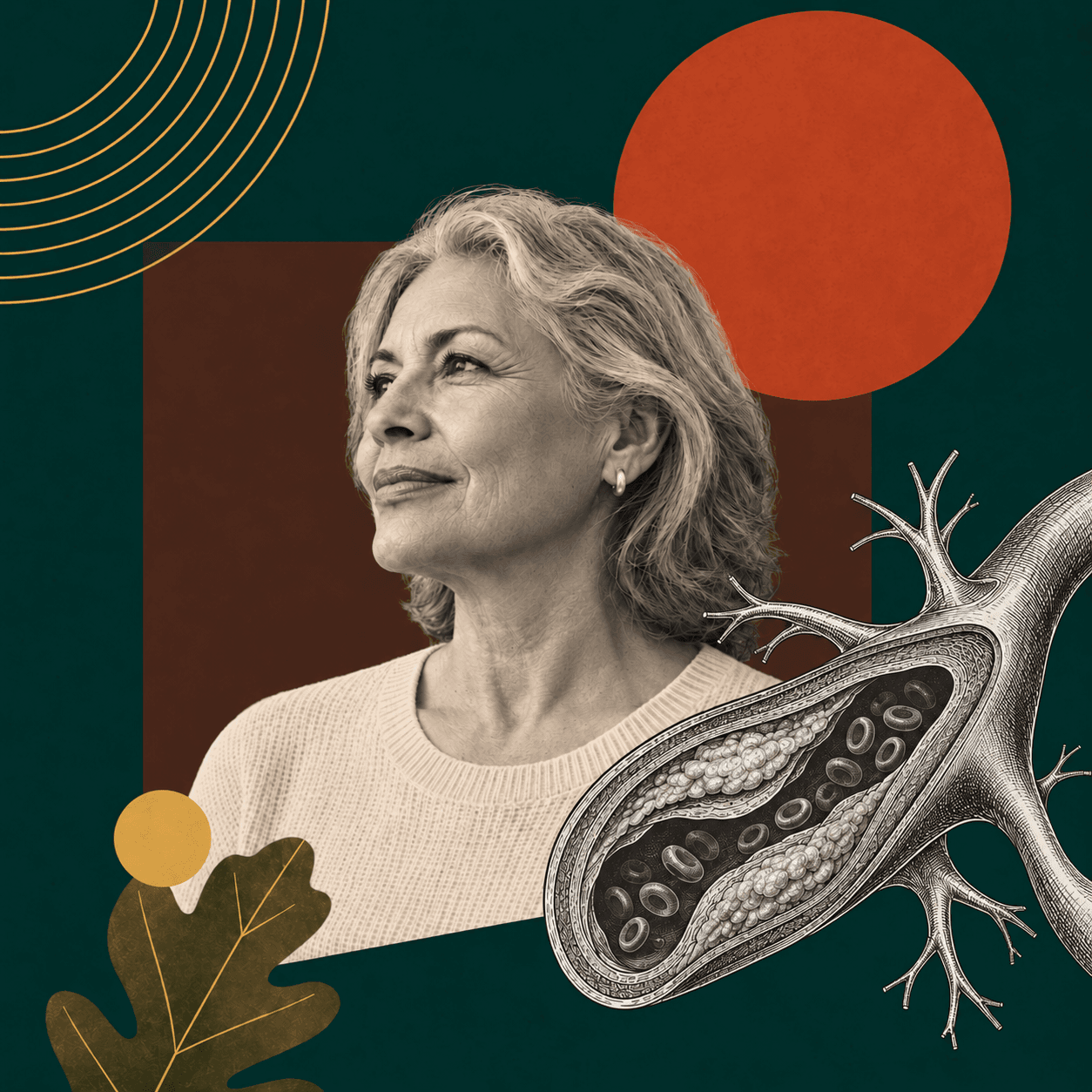
Chronic kidney disease (CKD) is a condition where the kidneys slowly lose their ability to filter the blood to remove waste. CKD also interferes with the kidney’s important roles in controlling blood pressure and regulating levels of essential minerals such as calcium, which are essential for bone strength.
Without treatment, CKD can lead to death. 100,000 Americans die from CKD-related conditions every year.
CKD is common:
- 20 million American women have CKD
- CKD is more common in women than men
- X million women are on dialysis because of kidney failure
- X0,000 women receive kidney transplants each year
The risk of CKD increases quickly with age. One in 3 adults over 65 years of age has CKD.
Black women have a particularly high risk of CKD
- They are also 4 times more likely than White women to progress to end-stage kidney disease or kidney failure

How is Chronic Kidney Disease diagnosed?
CKD often has no symptoms until it is advanced.
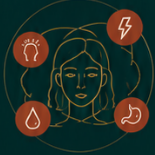
When symptoms do occur, they may include:
- Swelling of the legs or feet
- Tiredness
- Nausea
- Itching
- Shortness of breath
- Changes in urination (more or less often, or producing less urine than usual)
Kidney health is measured using both a blood test and a urine test. Both tests matter as neither alone tells the full story.
The blood test measures eGFR (estimated glomerular filtration rate), calculated from the level of a protein called creatinine in your blood. eGFR represents the percentage of full kidney function you have.
The urine test measures albumin, a protein that leaks into the urine when the kidneys are damaged. This is reported as a urine albumin-to-creatinine ratio, or ACR.
Regular testing before symptoms appear is important, especially if you are at higher risk of CKD, for example if you have:
- Diabetes
- High blood pressure
- A family history of kidney disease
- A history of high blood pressure during pregnancy (pre-eclampsia) or pre-term delivery
For anyone with kidney disease, it is recommended that measurement of eGFR and ACR be performed at least once a year, and more often in people at high risk of disease progression.
How do I know if I have CKD?
A lower eGFR, means your kidneys are working less effectively. The standard classifications of eGFR are as follows:
Kidney function eGFR
Normal 90% or lower
Mildly reduced 60-89%
Moderately reduced 30-59%
Severely reduced 15-29%
Kidney failure Less than 15%
A normal ACR is less than 30mg/g. If the ACR is higher, a repeat test is usually conducted, ideally using a first-morning urine sample.
In older women, standard kidney function tests may sometimes overestimate the level of kidney damage, since the usual cut-off points don’t fully account for the natural decrease in kidney function with age.
Understanding and Managing Chronic Kidney Disease
Learn about the causes of chronic kidney disease, how it might be prevented and what treatments are available.
What causes chronic kidney disease?
For most women (and men), the main causes of CKD are hypertension and diabetes.
However, a range of causes are unique to women:
- High blood pressure (pre-eclampsia) during pregnancy increases your risk of CKD by about 3 times and your risk of kidney failure by about 4-5 times
- The risk is particularly high in the 5 years after delivery
- The risk is greatest when pre-eclampsia occurs before 34 weeks or recurs in multiple pregnancies
- Pre-term delivery, even without pre-eclampsia, is associated with a much higher risk of CKD
- Polyendocrine metabolic ovary syndrome (PMOS), previously named Polycystic ovary syndrome (PCOS), increases your risk by about 1.5-2 times
- Repeated urinary tract infections (UTIs), which are more common in women, can damage the kidneys if left untreated
- Early menopause (naturally or surgically) is linked to a higher risk of CKD
- Having both ovaries removed (oophorectomy) raises your risk of CKD by about 40%
- That risk increases to 60% if the surgery occurs at 45 years or younger
Some rare medical conditions and genetic factors can cause CKD, as can the use of heroin and other opioid drugs, such as fentanyl.
Taking Charge of Your Chronic Kidney Disease
For some women, lifestyle changes can help slow the progression of CKD. However, for most women, the most effective approach to managing CKD and reducing the risks of heart attack and stroke requires the use of appropriate medication.
Lifestyle Changes
Treatment
Ongoing benefits of treatment
Questions you might like to as your doctor or other healthcare professional
Advocate for yourself
Answer a few quick questions about your symptoms and get a personalised cheat sheet to bring to your next appointment - ready to print or save.