
Cholesterol
High Cholesterol
Dyslipidemia
Cholesterol is a substance in the blood that your body uses to make hormones, produce vitamins, build healthy cells and help with digestion.
While some cholesterol is essential, when levels get too high, it is harmful.
There are two types of cholesterol:
- LDL cholesterol (sometimes called the “bad” cholesterol)
- HDL cholesterol (the “good” cholesterol)
High levels of LDL cholesterol can lead to:
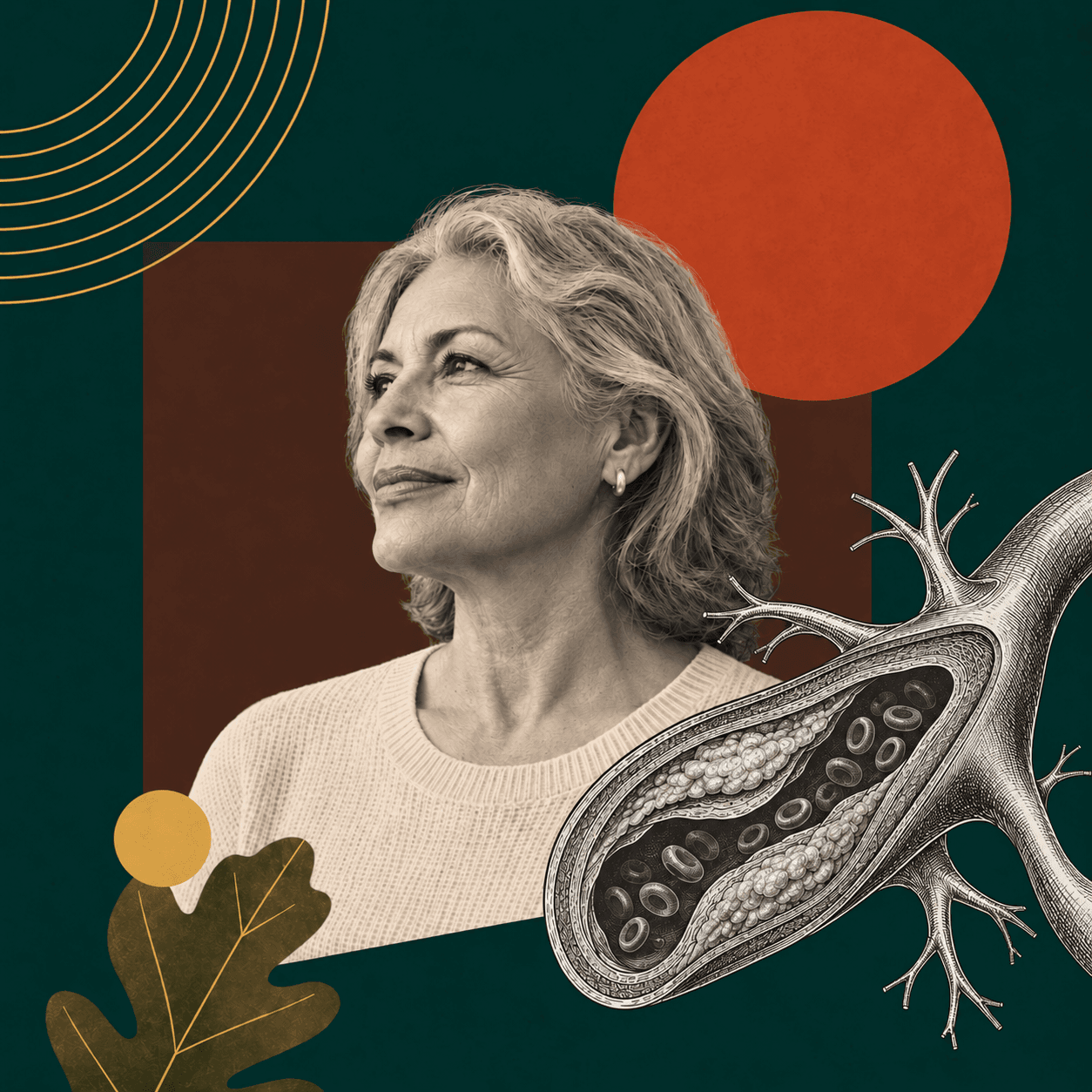
- Narrowing of blood vessels (atherosclerosis) and blockages in the arteries supplying blood to the heart (causing heart attacks) and brain (causing strokes)
- Increased risks of dementia
LDL cholesterol rises quickly after menopause, and the risks of heart attack and stroke eventually overtake those in men.
HDL cholesterol levels do not usually change after menopause.
There are no symptoms associated with high LDL cholesterol.


How is cholesterol measured?
LDL, HDL and total cholesterol (the combination of LDL and HDL) are measured by blood tests. Because measuring LDL cholesterol can be expensive, sometimes only total and HDL cholesterol are measured, and “non-HDL” cholesterol is calculated.
Triglycerides, the most common type of fats stored in your body, are often measured at the same time, using blood tests, as very high levels also increase the risk of heart disease and stroke.
Usually, you need to fast for 12 hours before having a blood test, with no food or drinks except water.
How high is too high?
In general, LDL levels greater than 100 milligrams per decilitre (mg/dL) and non-HDL levels greater than 130mg/dL.
However, the level at which treatment might start, depends on a person’s overall risk of heart disease and stroke, including factors such as age, family history, diabetes, blood pressure and ethnicity.
For high-risk women, LDL levels >70mg/dL or non-HDL levels >100mg/dL are considered too high.
Ideally, HDL should be >60mg/dL and higher than your LDL level.
Ideally, your triglyceride levels should be less than 150mg/dL.
As cholesterol levels can rise significantly after menopause, women should have their cholesterol checked every 1-2 years.
Current recommendations for physicians also suggest that women should have their lipoprotein(a) or Lp(a) measured at least once. This is a type of cholesterol that is largely inherited and can raise your heart disease risk even if your other cholesterol levels look normal.
Understanding and Managing High Cholesterol
Learn about the causes of high cholesterol, how it might be prevented and what treatments are available
What causes high LDL cholesterol?
For most women (and men), the main cause of high cholesterol is a diet that is high in “saturated fat”. High saturated fat foods include:
- Meat, butter, cheese, cream and pastries
- Take-out foods, such as burgers, fries, deep-fried chicken, pizzas and hot dogs
Some causes are unique to women:
- High blood pressure (pre-eclampsia) or diabetes (gestational diabetes) during pregnancy increases your risk by about 1.5- 2 times
- Polyendocrine metabolic ovary syndrome (PMOS), previously named Polycystic ovary syndrome (PCOS) increases your risk by about 2 times. Less than 1% of women have high LDL cholesterol levels caused by rare genetic factors.
Taking Charge of Your High Cholesterol
For some women, lifestyle changes can help prevent the development of high cholesterol and may also reduce already high cholesterol levels. However, for most women, the most effective approach to managing cholesterol and reducing the risks of heart attack and stroke requires a combination of lifestyle changes, regular monitoring of cholesterol levels and appropriate medication.
Lifestyle Changes
Treatment
Ongoing benefits of treatment
Questions you might like to ask your doctor or other healthcare professional
Advocate for yourself
Answer a few quick questions about your symptoms and get a personalised cheat sheet to bring to your next appointment - ready to print or save.